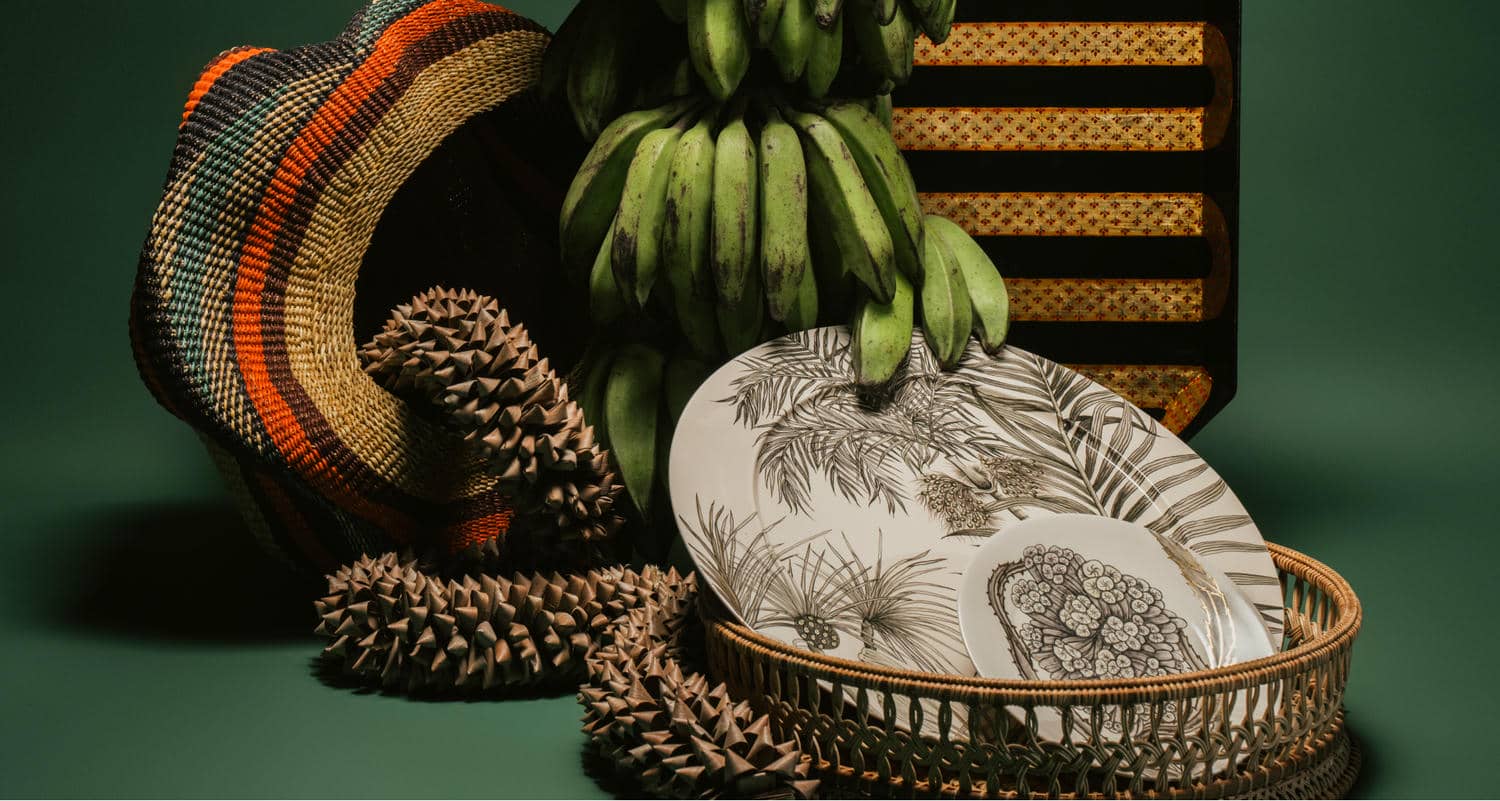
Pastoral is one of four design directions explored through the ColourNext 2026 Design Showcase, where colour is expressed through material, objects and spatial curation. The exhibition is on view at Nilaya Anthology until the 10th of July.
Design history often begins with place. We learn to associate particular forms with particular landscapes, tracing the relationship between material, maker and geography. A textile belongs to a region, an architectural form belongs to a climate, and a craft tradition belongs to a community. Yet the origin of some of the most enduring design traditions seems difficult to locate on a map. Their wisdom emerges through repeated movement across landscapes and encounters over time. Pastoralism, a way of life organised around seasonal mobility, reveals how design knowledge can emerge not from a single location but from the routes that connect many places together.

For centuries, pastoral communities have navigated routes that connect grasslands, forests, deserts and mountains through seasonal movement. Pastoralism is a livelihood system based on extensive livestock production that relies on mobility as a way of inhabiting territory.
Grazing grounds, water sources, seasonal camps and migration routes form a connected system understood through movement. Knowledge accumulates along these journeys,
shaped by familiarity with changing conditions and the relationships between places.
This becomes visible in the objects, structures and visual languages that movement produces.
THE MEMORY OF THREAD
Consider Ikat. Today, Ikat appears across an astonishing geography that stretches from Indonesia to Odisha, Gujarat and Uzbekistan. The technique involves dyeing threads before they are woven, allowing colour and pattern to meet only on the loom. The resulting image never settles into perfect clarity. Edges remain soft, slightly feathered, as though the design
is still carrying the memory of its making.
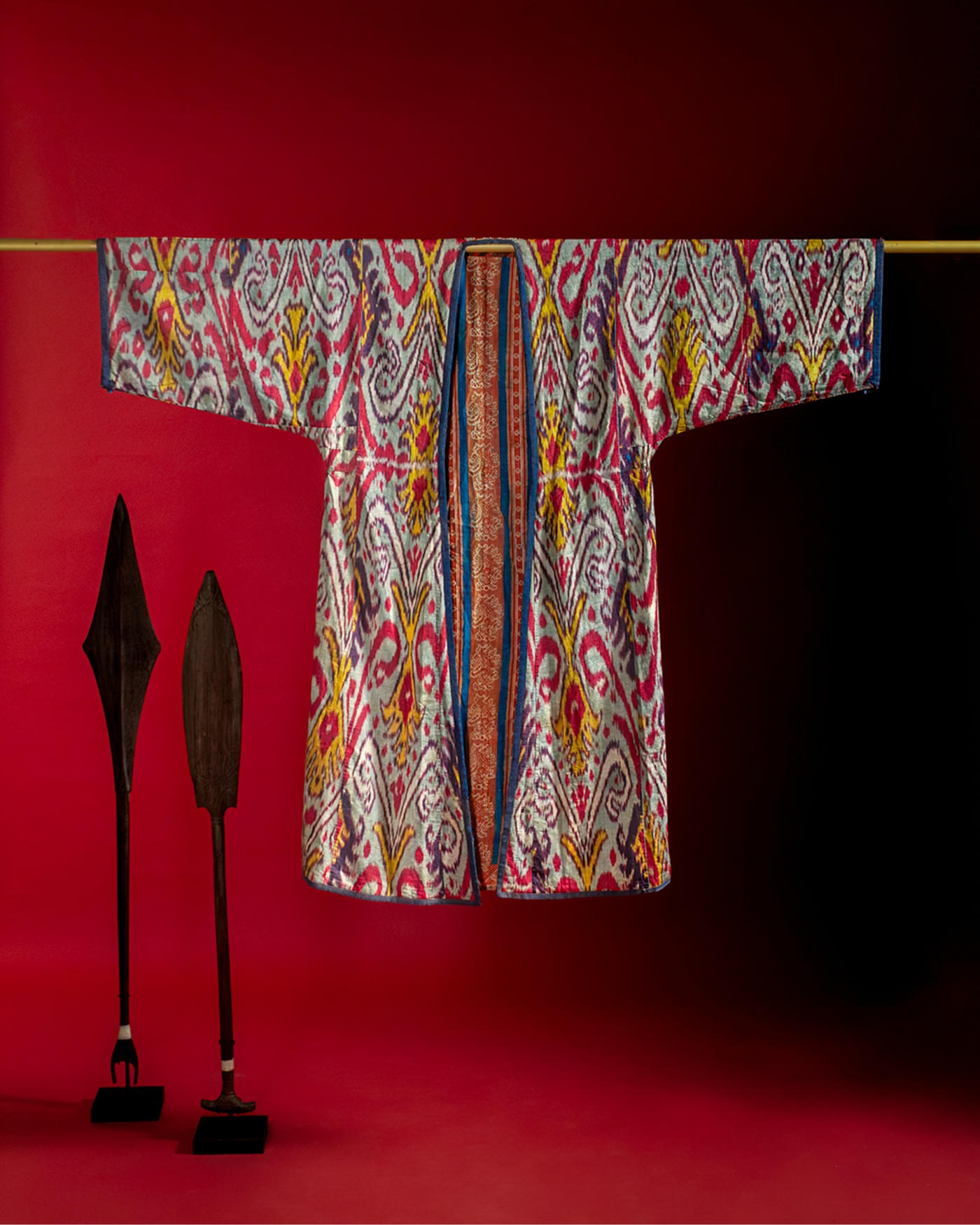
Textile historians such as Mattiebelle Gittinger and John Guy have traced the movement of Ikat traditions across maritime and overland networks connecting South Asia, Southeast Asia and Central Asia. Along these routes travelled dyes, fibres, motifs, techniques and finished cloth. What emerged was a shared visual language shaped through centuries of exchange. The textile records movement, and every thread contains evidence of encounters between places.
DESIGNING FOR DEPARTURE
Movement leaves its mark on architecture differently. Across the northern reaches of Scandinavia, Sámi reindeer herders have long moved between seasonal grazing grounds, following routes shaped by weather, terrain and the needs of their herds. From this rhythm emerged the Lavvu, a portable shelter whose form reflects generations of accumulated environmental knowledge.

At first glance, the structure appears remarkably simple. Timber poles lean into one another to create a conical frame covered historically with hides and later with woven cloth. Yet every aspect of its design responds to movement. It can be assembled quickly, dismantled quickly and transported across long distances. Its form sheds snow, resists wind and creates shelter without demanding permanence. The anthropologist Hugh Beach observed that reindeer herding requires continuous engagement with changing conditions across vast territories. The shelter that emerged from this way of life reflects the same understanding. The Lavvu was never intended to anchor its inhabitants to a single place. Instead, it supported movement between places.
The Centre for Pastoralism's work on pastoral territories argues that dwelling extends beyond the structure itself. It includes the routes that connect grazing grounds, seasonal camps occupied throughout the year and the knowledge required to move between them. The Lavvu therefore functions not simply as architecture but as a tool for inhabiting a moving landscape. Home exists across a network of places linked by memory, repetition and movement.
MATERIAL AND MOMENT
Research has shown how this practice is embedded within broader systems of ecological knowledge. The timing of shearing, the selection of fibres and the techniques of felting are shaped by an intimate understanding of animal behaviour, climate and landscape. Felt objects become yurts, rugs and garments that accompany migration, folding and unfolding across territories. Knowledge is preserved not in static form but in processes that can be enacted wherever the journey leads.
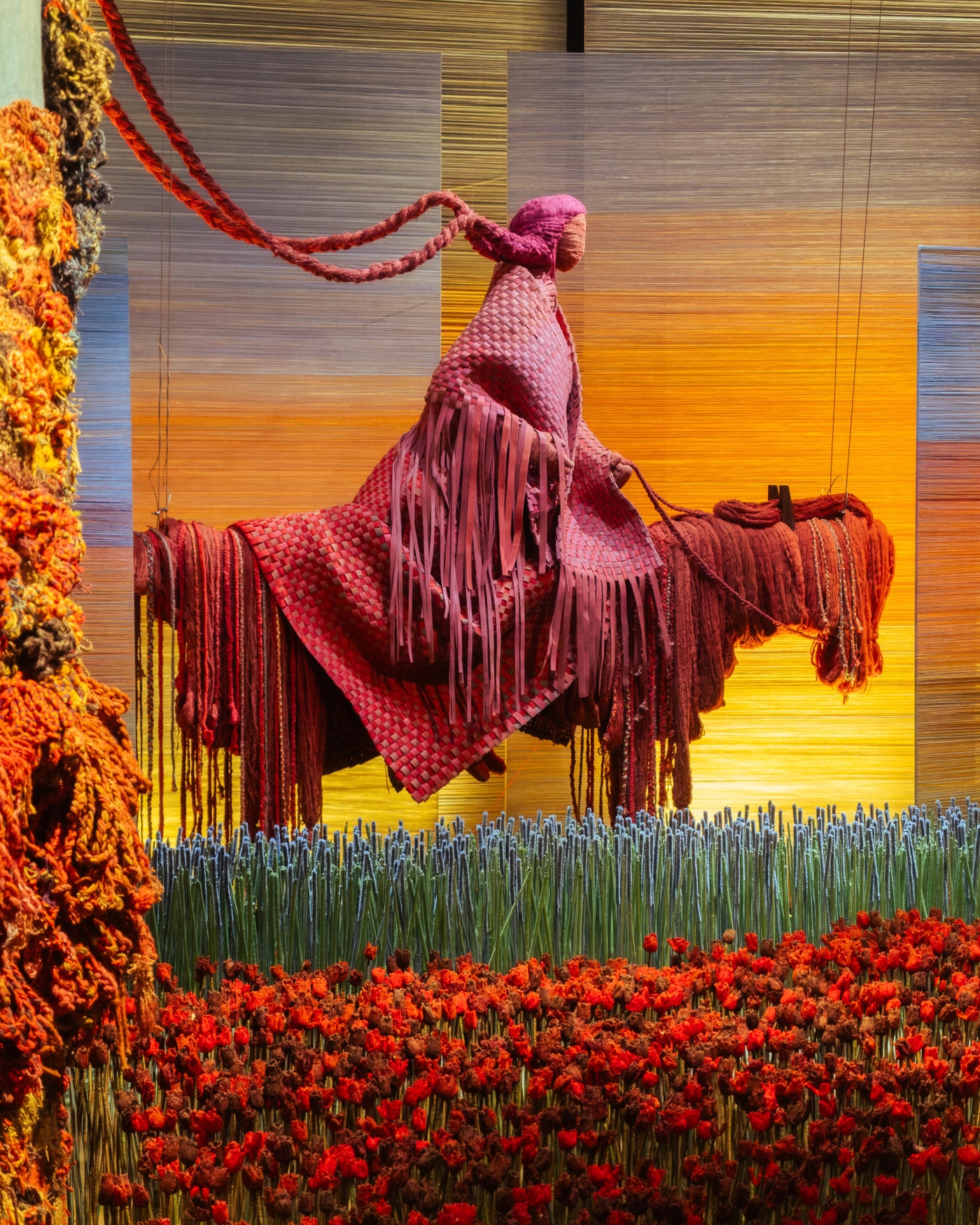
Seen together, these examples suggest that movement produces more than exchange. It produces distinct forms of design knowledge. In Ikat, movement shapes technique. In the Lavvu, it shapes ideas of dwelling. In felt-making, it shapes material practice and the relationship between design and environment. Design is often understood as a response to place, but these stories suggest another possibility. Some forms of design emerge only from a deep understanding of how places connect to one another. If design is one way of storing knowledge, then these traditions remind us that some of the most enduring forms of knowledge belong not to destinations, but to the routes in between them.
.webp)
-pichi.jpg)
.webp)
-pichi.jpg)
-pichi.jpg)